Golf courses and outdoor leisure amenities are key drivers of real estate value and community development. They attract diverse audiences, enhance quality of life, foster social engagement, and boost regional economies. Well-designed greens and recreational spaces significantly elevate property appeal and sell faster. Local governments and developers should collaborate to create diverse outdoor spaces catering to various interests, promoting long-term community well-being and property value growth. Sustainable design, cultural sensitivity, and community engagement are crucial for harnessing this trend effectively.
Golf courses and outdoor leisure activities play a pivotal role in shaping the lifestyle and real estate landscape of many communities. These green spaces not only contribute to environmental aesthetics but also serve as centers for recreation, social interaction, and economic vitality. However, the growing demand for urban space and changing leisure preferences pose significant challenges. In this authoritative article, we delve into the intricate relationship between golf courses and outdoor leisure, exploring innovative solutions that can preserve these amenities while adapting to evolving needs in real estate development.
Exploring Golf Courses: A Leisure Haven in Real Estate

Golf courses, sprawling across acres of meticulously nurtured landscapes, offer more than just a game; they are sanctuaries for leisure and recreation embedded within real estate developments. These green oases cater to diverse demographics, from seasoned golfers honing their swing to casual enthusiasts seeking relaxation in nature. The strategic integration of golf facilities into real estate master plans has become a hallmark of modern community living, enhancing property values and quality of life. According to a 2021 study by the National Golf Foundation, over 75 million Americans participated in golf, with many citing accessibility to courses as a primary factor influencing their decision to purchase homes near them.
The real estate industry has recognized this synergy, leading to a surge in the development of golf-centric communities. These projects often feature not just golf courses but also clubhouses, fitness centers, and recreational areas, creating vibrant social hubs that foster community engagement. For instance, The Rive, a luxury residential community in Austin, Texas, seamlessly blends 27 holes of championship golf with contemporary housing, attracting professionals and families alike. This integrated approach not only provides residents with easy access to leisure activities but also positions the property as a desirable investment, with studies showing that homes near top-rated golf courses can command premium prices.
Beyond the immediate benefits for residents, golf courses in real estate developments contribute significantly to regional economies. They attract tourists, stimulate local businesses, and create employment opportunities, according to a report by the Golf Course Superintendents Association of America. This economic ripple effect is particularly pronounced in areas known for their natural beauty, where scenic golf courses become iconic landmarks that draw visitors year-round. As the demand for outdoor leisure activities continues to grow, developers and real estate professionals must stay attuned to these trends, ensuring that golf courses remain not just as amenities but as integral components of sustainable and thriving communities.
Outdoor Activities: Enhancing Property Value and Community Life

Golf courses and outdoor leisure activities play a pivotal role in enhancing property values and community life, particularly in real estate. The presence of well-maintained greens and open spaces significantly increases the appeal of residential areas, drawing in buyers seeking not just a place to live, but also a lifestyle. Studies show that homes adjacent to golf courses or with easy access to outdoor recreational facilities command higher prices and sell faster compared to those in similar locations without such amenities.
These outdoor activities foster a strong sense of community, providing spaces for residents to connect, socialize, and engage in physical activity. Organized events like charity golf tournaments or community sports days not only strengthen neighborhood bonds but also attract new members, contributing to the overall vibrancy of the area. Real estate professionals recognize this, often marketing properties with outdoor amenities as prime opportunities for families, retirees, and active individuals alike. For instance, a survey by the National Association of Realtors revealed that over 90% of homebuyers stated access to outdoor spaces was important to them, with 75% willing to pay more for homes featuring these amenities.
Community-driven initiatives to improve local golf courses or establish parks can dramatically transform an area’s desirability. Local governments and real estate developers should collaborate to create and maintain green spaces that cater to diverse outdoor interests, from golfing and hiking to picnics and sports. By prioritizing such investments, they not only elevate property values but also contribute to the long-term well-being and sustainability of the community, creating a positive cycle that benefits both residents and the real estate market.
Designing Scenic Spaces: Golf Course Architecture and Beyond
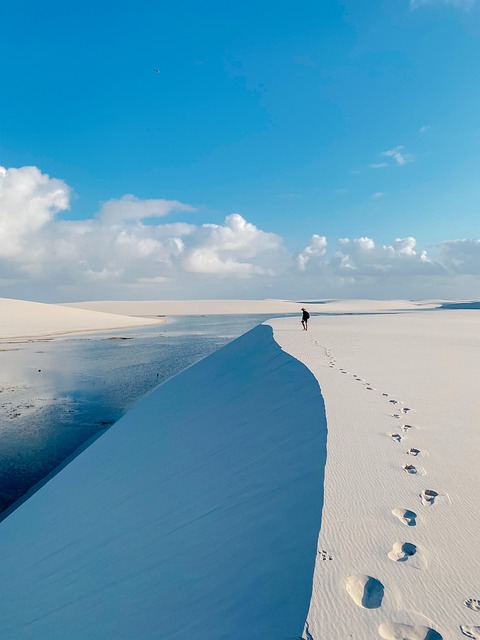
Golf courses stand as more than just sporting venues; they are meticulously crafted scenic spaces designed to captivate and inspire. The art of golf course architecture transcends mere functionality, integrating natural landscapes, strategic design, and real estate development to create immersive experiences. Skilled architects balance the delicate interplay between the game’s challenges and the beauty of the surroundings, ensuring each hole tells a unique story within the broader tapestry of the course.
Consider the iconic Pebble Beach Golf Links in California, USA. This renowned course not only offers breathtaking ocean views but also seamlessly weaves natural contours and native plant life into its design, providing both an aesthetic delight and a sustainable environment. Similar strategies are employed worldwide, with courses in Scotland, known for their dramatic coastal settings, attracting golfers and nature enthusiasts alike. The integration of real estate principles here is twofold; it enhances the overall property value while fostering a harmonious relationship between development and conservation.
Beyond golf, the trend towards designing scenic spaces extends to other outdoor leisure activities. Hiking trails that meander through lush forests or along dramatic cliffsides, eco-friendly camping resorts nestled amidst untouched landscapes, and water sports facilities that complement natural water bodies—all these exemplify a growing awareness of the importance of scenic beauty in leisure experiences. Developers and architects are increasingly recognizing the economic and psychological benefits of such spaces, driving innovations that blend real estate with environmental stewardship.
To harness this trend effectively, designers and developers must prioritize sustainability, cultural sensitivity, and community engagement. Incorporating native flora and fauna not only reduces maintenance costs but also supports local ecosystems. Engaging with local communities and indigenous knowledge can yield unique design elements that respect and preserve cultural heritage. Moreover, integrating digital technologies for navigation and interpretation can enhance visitor experiences while minimizing environmental impact. By combining these strategies, the future of scenic space design in outdoor leisure activities promises to be both visually stunning and responsibly managed.