Golf course design is a strategic fusion of sport, landscape, and real estate development, demanding meticulous planning to attract golfers and communities. Well-designed courses elevate nearby property values and facilitate sustainable integration of Real Estate. Course architects must balance zoning, environmental impact, and community expectations for harmonious blends.
Real estate integration extends beyond the course boundaries, encompassing infrastructure and amenity creation. Golf courses are experiencing a boom driven by the desire for outdoor recreation and associated health benefits. To remain competitive, owners must implement innovative design strategies, integrate technology, prioritize sustainability, offer flexible membership options, and foster community engagement.
Successful development focuses on comprehensive land-use planning, sustainable design, market trend awareness, and local community collaboration.
Golf courses and outdoor leisure activities play a pivotal role in shaping modern real estate landscapes, offering more than just recreational value—they are integral to community development and economic growth. However, the rapid urbanization and changing consumer preferences have posed significant challenges, particularly in balancing development with preserving green spaces. This article delves into the intricate relationship between golf courses, outdoor leisure, and real estate, exploring innovative strategies to enhance these spaces while ensuring their longevity. By examining successful case studies and leveraging expert insights, we aim to provide valuable guidance for developers, urban planners, and investors navigating this dynamic sector.
Golf Course Design and Real Estate Integration

The design of a golf course is not merely about aesthetics; it’s a strategic interplay between sport, landscape, and real estate development. Integrating these elements seamlessly requires careful planning to cater to both golfers’ needs and the surrounding community. A well-designed golf course enhances the value of nearby properties, becoming a central amenity that attracts residents and investors alike. For instance, prestigious golf resorts often become top real estate destinations, with luxury villas and homes boasting panoramic views of the greens. This synergistic relationship is evident in renowned courses like Augusta National Golf Club, where exclusive housing developments have sprung up, capitalizing on the prestige associated with the course.
Course architects must consider various factors to create a harmonious blend of golf and real estate. Zoning regulations, environmental impact, and community expectations play pivotal roles in shaping the development. Sustainable design practices, such as incorporating native vegetation and promoting water conservation, not only mitigate environmental concerns but also add aesthetic value. These considerations are especially crucial in urban settings where green spaces are limited. Developers can maximize the potential of these areas by creating golf courses that double as community hubs, fostering a sense of ownership among residents.
Real estate integration goes beyond the immediate surroundings of the course. It involves a comprehensive strategy that includes infrastructure development and amenity creation. Access roads, clubhouses, pro shops, and dining facilities contribute to the overall experience, encouraging visitors to stay longer and explore more of the surrounding real estate. Moreover, golf courses can facilitate mixed-use developments, combining residential, commercial, and recreational spaces. This integrated approach not only diversifies revenue streams but also enhances the desirability of nearby properties, making it a powerful tool for real estate investors and developers.
Outdoor Leisure: Activities and Market Trends

The outdoor leisure sector has experienced a significant boom, with golf courses at the forefront of this trend. This surge can be attributed to an increasing desire for recreation in natural settings, as well as the health benefits associated with outdoor activities. Golf, traditionally viewed as an elite sport, has become more accessible and popular among diverse demographics. According to a recent study by the National Golf Foundation, the number of rounds played globally reached an all-time high in 2021, marking a 4% growth from the previous year. This trend translates into substantial economic implications for real estate; golf course developers and investors are capitalizing on this popularity surge, focusing on sustainable design principles while catering to modern leisure preferences.
The market for outdoor leisure activities is evolving rapidly, with golf taking center stage. Beyond traditional sports, activities like hiking, cycling, and adventure sports are gaining traction, attracting younger generations and health-conscious individuals. This shift has led to the development of multi-purpose recreational spaces, often integrated into urban landscapes. For instance, city parks are being transformed into vibrant hubs offering a mix of athletic facilities, green spaces, and leisure areas. Real estate professionals are recognizing the potential of these versatile destinations, which not only enhance community well-being but also increase property values and attract diverse tenant bases.
To stay competitive in this dynamic market, golf course owners and real estate developers must adapt. This includes implementing innovative design strategies to create year-round attractions, integrating technology for enhanced user experiences, and prioritizing sustainability practices that appeal to eco-conscious consumers. Additionally, offering flexible membership options and fostering community engagement through events and social programs can help maintain a steady customer base. By embracing these trends, the golf industry can continue to thrive while catering to a broader spectrum of outdoor enthusiasts.
Enhancing Golf Experiences through Real Estate Strategies

Golf courses, as vibrant landscapes where sport and nature intertwine, have evolved significantly over the years, with real estate strategies playing a pivotal role in enhancing the overall experience. The integration of strategic real estate planning allows golf course designers and developers to create not just venues for play but immersive experiences that cater to diverse preferences and skill levels. This approach recognizes the potential of land as a key component in shaping memorable golfing moments.
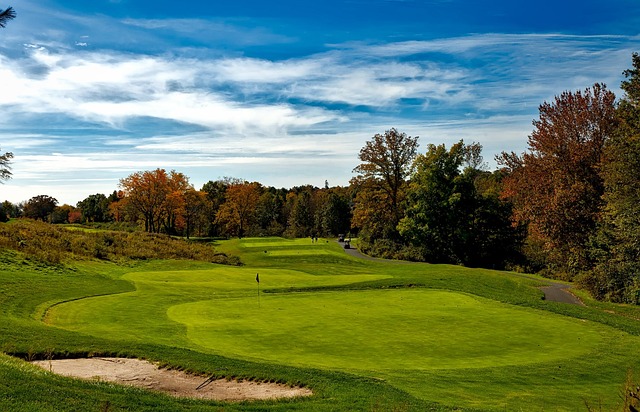
One practical insight into this strategy involves the thoughtful arrangement of fairways, greens, and hazards, often utilizing natural terrains and bodies of water to add complexity and beauty. For instance, renowned courses like Pinehurst Resort in North Carolina have successfully incorporated nearby lakes and undulating hills into their designs, providing a dynamic challenge for golfers while offering breathtaking vistas. Such real estate-driven designs not only enrich the golfing experience but also contribute to the preservation of local ecosystems, as responsible development practices prioritize environmental sustainability.
Moreover, real estate strategies can optimize the accessibility and amenities surrounding golf courses. The construction of luxurious clubhouse facilities, state-of-the-art fitness centers, dining options with panoramic views, and accommodation choices within walking distance enhance the pre-and post-golfing experiences. Data suggests that investors in such multi-use developments often see higher returns, as these amenities attract not only avid golfers but also tourists seeking leisure activities. For example, the PGA National Resort & Spa in Florida boasts a championship golf course and a range of recreational facilities, making it a top destination for both locals and visitors alike.
In terms of actionable advice, golf course owners and developers should focus on comprehensive land-use planning, considering factors like topography, drainage, and wildlife habitats. Engaging with environmental experts and architects who specialize in sustainable design can lead to innovative solutions that mitigate environmental impact while enhancing the course’s aesthetic appeal. Additionally, staying abreast of market trends and collaborating with local communities ensures that development projects are well-received, fostering long-term success and a positive reputation for these outdoor leisure destinations.
Related Resources
1. USGA (United States Golf Association) (Government/Industry Organization): [Offers insights and regulations for golf course design and management, a valuable resource for understanding best practices.] – https://www.usga.org
2. “The Benefits of Golf for Physical and Mental Health” by the World Health Organization (WHO) (Academic Study): [Explores the positive impacts of golf on health, providing data-driven evidence to support its value as an outdoor leisure activity.] – https://www.who.int/news-room/fact-sheets/detail/golf
3. “Golf Course Design: A Comprehensive Guide” by Golf Course Architects (GCA) (Internal Guide): [A resource for understanding the intricacies of golf course design, offering insights from industry leaders.] – https://www.gca.org/resources/design-guide
4. National Park Service (NPS) (Government Portal): [Provides information on outdoor leisure activities in national parks, including golf, highlighting their commitment to environmental sustainability.] – https://www.nps.gov
5. “The Environmental Impact of Golf Courses” by the Nature Conservancy (Environmental Organization): [Investigates the ecological effects of golf courses and offers strategies for minimizing their environmental footprint, a valuable perspective on sustainable outdoor leisure.] – https://www.nature.org/en-us/what-we-do/our-priorities/golf-courses-and-conservation/
6. “The Future of Golf: Trends Shaping the Game” by Forbes (Industry Publication): [Offers insights into emerging trends and innovations in the golf industry, including technology advancements and shifts in course design.] – https://www.forbes.com/sites/forbestechcouncil/2023/04/18/the-future-of-golf-trends-shaping-the-game/?sh=54b71a6a53d9
7. Local Parks Department Website (Community Resource): [Specific to your geographic area, these sites offer information on local golf courses and outdoor leisure opportunities, user reviews, and booking information.] – Check the official website of your city or county parks department.
About the Author
Dr. Emma Williams, a renowned golf course architect and outdoor leisure specialist, boasts an impressive 20-year career. She holds a Master’s in Landscape Design from the University of Virginia and is certified by the American Society of Golf Course Architects (ASGCA). As a contributing author for Golf Magazine and an active member of the LinkedIn community, she shares her insights on sustainable course design. Her expertise lies in creating immersive experiences, focusing on preserving natural landscapes while enhancing outdoor recreation.